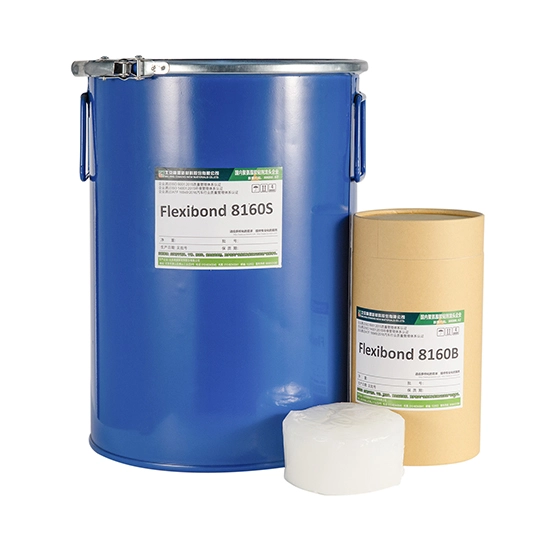
Artificial grass has become a popular choice for homeowners, sports fields, and commercial landscapes due to its low maintenance, durability, and aesthetic appeal. But did you know that the secret to a flawless, long-lasting artificial turf installation lies in the adhesive used? The artificial grass glue or artificial grass adhesive plays a crucial role in ensuring that your turf stays in place, even under heavy foot traffic and varying weather conditions.
In this comprehensive guide, we'll explore the importance of selecting the right artificial turf adhesive, how to apply it, and why it’s essential for your turf’s longevity. Whether you're installing artificial grass on concrete, soil, or asphalt, finding the best artificial grass adhesive for your specific environment can make all the difference in the final result.
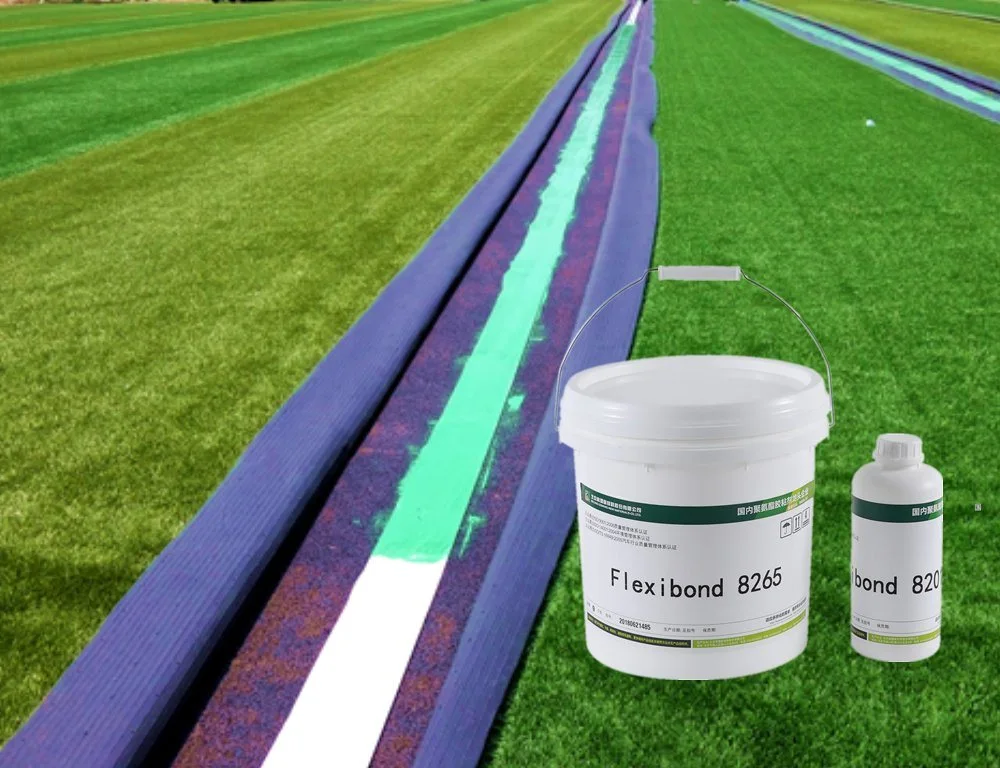
Artificial grass glue is a specially formulated adhesive designed to bond synthetic grass to a variety of surfaces, including concrete, asphalt, and soil. Typically, it’s a polyurethane or water-based adhesive that provides a strong, flexible, and durable bond to keep the grass in place over time.
Artificial grass adhesive is designed to handle the unique conditions that artificial turf is exposed to, such as heat, water, and UV rays. Using the best artificial grass adhesive ensures that the turf stays securely attached even when subjected to varying weather conditions and high usage.
Choosing the right artificial grass adhesive is critical to ensure that the grass stays in place, especially when subjected to heavy foot traffic or extreme weather conditions. High-quality artificial turf adhesive forms a long-lasting bond that prevents your turf from shifting, curling, or lifting.
Artificial grass often gets exposed to heat, rain, and UV rays, which can break down inferior adhesives over time. High-performance artificial grass glue is designed to be weather-resistant, ensuring that the turf holds up even under extreme conditions like intense sun or heavy rainfall.
Different surfaces require different types of adhesives. Whether you're using artificial grass glue for concrete, asphalt, or soil, selecting the right product is crucial to ensure a strong and lasting bond. Each surface has unique requirements in terms of adhesion, which is why it's important to choose the right adhesive for your specific needs.
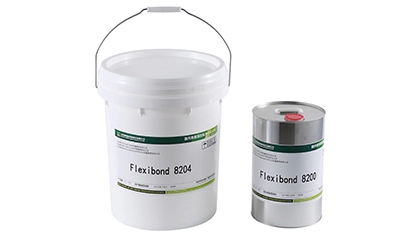
High-quality flexibond artificial grass adhesive is often designed to be non-toxic and low in volatile organic compounds (VOCs), making it a safer choice for both the environment and the people installing the turf. Eco-friendly adhesives help reduce pollution and contribute to a healthier installation process.
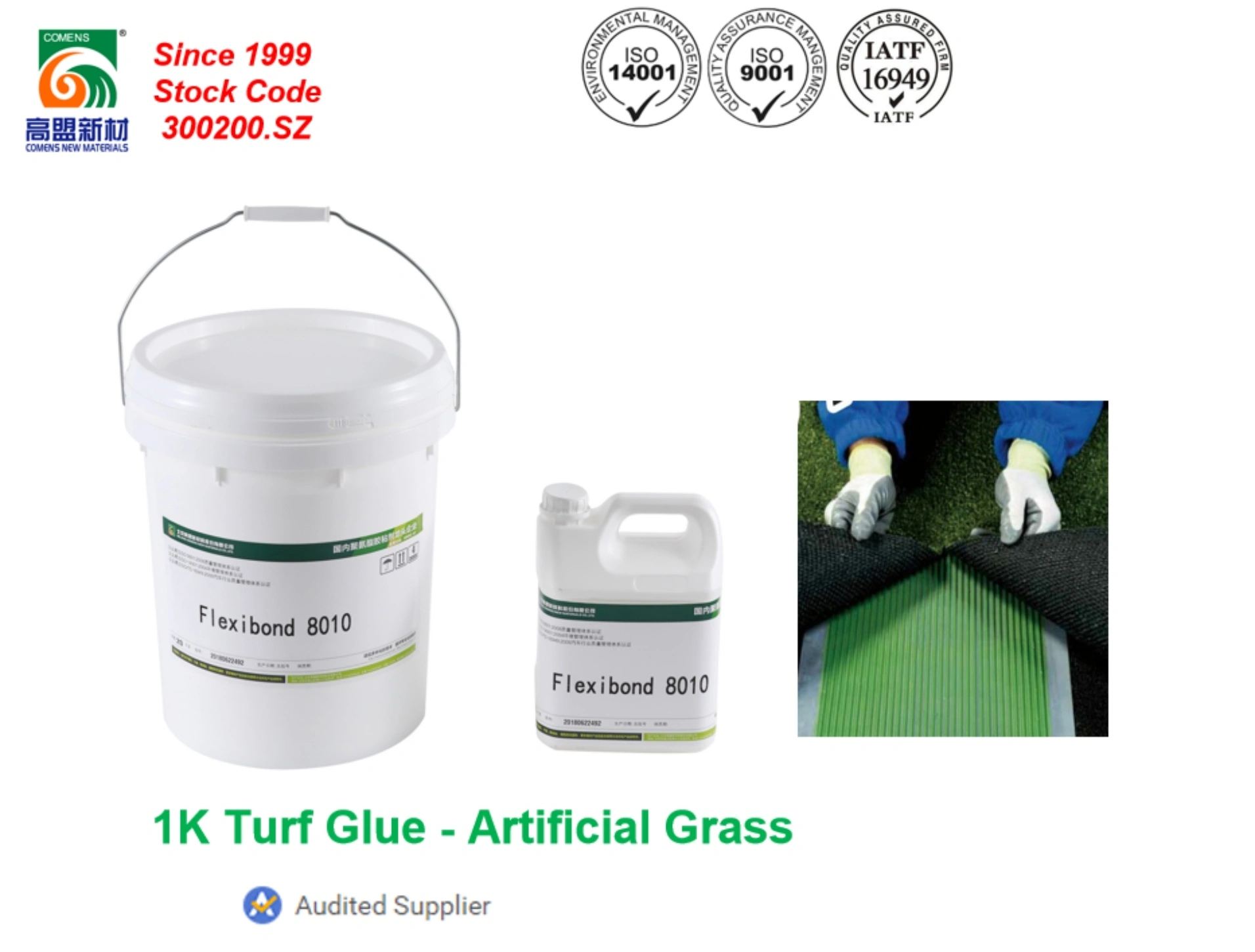
Selecting the best artificial grass sealant and adhesive can be challenging given the wide variety of products available. Here are the key factors to consider
The bonding strength is the most important factor when choosing artificial grass glue. A high-quality adhesive will provide a strong bond to the turf and the surface it’s being applied to, ensuring that the grass remains firmly in place. Choose adhesives that are designed specifically for outdoor use and high-traffic areas.
Consider the type of surface you're applying the adhesive to. For example, artificial grass glue for concrete will need to bond well to a hard, smooth surface, while adhesives for soil or asphalt may need to be more flexible. Check the product specifications to ensure compatibility with your surface.
Curing time is essential in determining how quickly you can walk on or use the newly installed turf. Some artificial turf adhesives cure quickly, while others may take longer to set. Depending on your needs, you may prefer an adhesive with a fast-drying formula for quicker installations.
Many consumers are now prioritizing eco-friendly products, and artificial grass glue is no exception. Water-based adhesives and low-VOC products are not only safer for the environment but also safer for humans. Opt for a product with environmental certifications to ensure you’re making the right choice.
While quality is paramount, budget considerations are also important. Higher-quality adhesives may be slightly more expensive, but they offer better performance and longer-lasting results. In the long run, choosing a durable, reliable product could save you money on repairs and replacements.
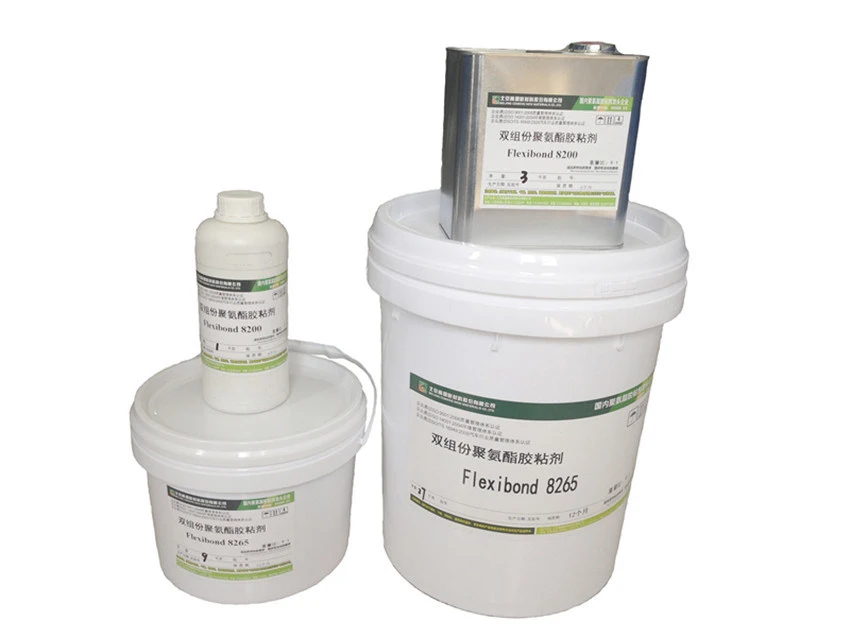
Installing artificial grass with glue is a straightforward process if you follow these simple steps, often guided by industrial automotive adhesives and sealants suppliers to ensure you choose the right adhesive for durable and secure installations.
Before applying any artificial grass adhesive, ensure that the surface is clean and dry. Remove any debris, dirt, or loose materials from the area where you’ll be applying the glue. If you’re using artificial grass glue for concrete, ensure the surface is smooth, as rough patches can interfere with the adhesive’s bonding ability.
Using a trowel or adhesive spreader, apply the artificial grass glue evenly across the surface. Work in small sections, and make sure you apply the adhesive in the areas where you plan to lay the grass.
Once the adhesive is applied, immediately roll out your artificial grass and press it firmly into the glue. Be sure to smooth out any wrinkles or air bubbles. For best results, use a roller to press the turf into place.
Trim any excess turf along the edges for a clean finish. For added security, you can use extra adhesive along the seams or edges to ensure that everything stays in place.
Let the adhesive cure for the recommended amount of time before walking or using the turf. Depending on the adhesive, this could take several hours or a full day.
The right artificial grass adhesive ensures that the turf stays in place for many years, even with heavy foot traffic, extreme weather, and UV exposure.
High-quality adhesives allow for a seamless installation, eliminating unsightly seams and ensuring that the turf looks natural and uniform.
Once installed, artificial turf adhesive helps reduce the need for ongoing maintenance. The turf will stay in place, reducing the likelihood of wrinkles, bubbling, or lifting.
If the adhesive wasn’t applied properly or the surface wasn’t properly prepped, the turf may start to lift or peel. To avoid this, always clean the surface thoroughly before application, and make sure the adhesive is spread evenly.
Uneven adhesive application can lead to areas where the turf does not adhere properly. To prevent this, always use the recommended tools for application and work in small sections to ensure even coverage.
Extreme temperatures can affect adhesive performance. If you’re installing turf in a location with temperature fluctuations, choose a product designed to withstand these conditions.
For concrete surfaces, a strong, fast-setting, and weather-resistant artificial grass adhesive is recommended. Water-based polyurethane adhesives are ideal for concrete installations.
No, regular glue isn’t strong enough for turf installation. It’s important to use an artificial grass adhesive designed to bond synthetic grass to outdoor surfaces.
The drying time depends on the product. Typically, it can take 2-4 hours to set, but full curing may take up to 24 hours.
Yes, many high-quality artificial grass adhesives are designed to be low-VOC and water-based, making them safer for both the environment and installers.
Selecting the right artificial grass glue is crucial for ensuring a long-lasting, seamless installation. By understanding the factors to consider, the different types of adhesives available, and following proper installation techniques, you can achieve a flawless result that will stand the test of time. Whether you're working with concrete, soil, or asphalt, choosing the right artificial grass adhesive will ensure your turf stays in place, looks great, and requires minimal maintenance.
You May Also Like
Best Glue for Windshield Crack
Top China Adhesive Manufacturers
Understanding the Basic Concepts of Architectural Joint Sealants
What Glue to Use for Artificial Grass on Concrete?
This is the first one.
 English