Water damage remains one of the most costly and persistent challenges in construction and industrial maintenance. From concrete rooftops to underground foundations, moisture intrusion can compromise structural integrity, increase maintenance costs, and shorten building lifespan. That’s why polyurethane waterproof coating has become one of the most searched and trusted waterproofing solutions worldwide.
If you’re evaluating high-performance waterproofing systems, understanding how polyurethane technology works—and why it consistently outperforms traditional methods—can help you make a smarter investment.
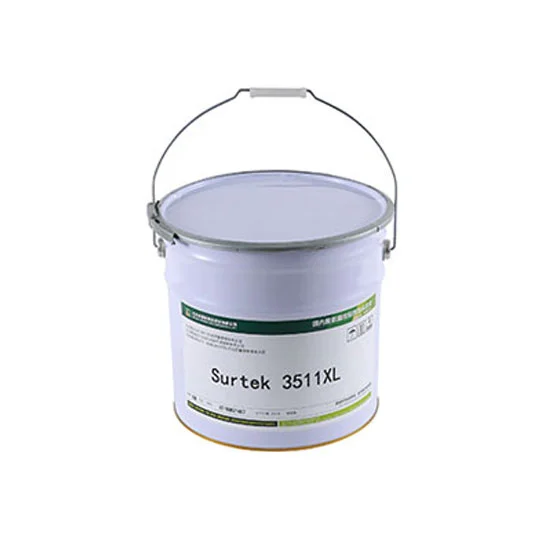
The polyurethane waterproof coating is a liquid-applied membrane formulated with advanced polymer technology. Once applied, it cures into a seamless, elastic, and highly durable waterproof barrier that adheres strongly to concrete, metal, wood, and other substrates.
Unlike sheet membranes or rigid coatings, polyurethane forms a continuous layer without joints. This eliminates weak points where leaks typically develop, ensuring long-term waterproof performance.
Search trends show increasing demand for:
Roof waterproof coating
Concrete waterproofing solutions
Urethane waterproof membrane
Liquid waterproofing membrane
The reason? Polyurethane coatings combine flexibility, strength, chemical resistance, and long service life in one system.
✔ Seamless membrane – no joints or overlap failures
✔ Excellent crack-bridging ability
✔ Strong adhesion to multiple substrates
✔ UV and weather resistance
✔ High elasticity even under temperature fluctuations
✔ Long service life with minimal maintenance
Below is a simplified performance comparison chart:
| Feature | Polyurethane Waterproof Coating | Asphalt Membrane | Cementitious Coating |
|---|---|---|---|
| Seamless Application | ✅ Yes | ❌ No | ✅ Yes |
| Crack Bridging Ability | ⭐⭐⭐⭐⭐ | ⭐⭐ | ⭐⭐ |
| Elasticity | High | Medium | Low |
| UV Resistance | Excellent | Moderate | Low |
| Durability (Years) | 10–20+ | 5–10 | 3–8 |
| Ease of Application | Brush/Roller/Spray | Heat Welding | Trowel |
As shown above, polyurethane waterproof coating offers superior flexibility and long-term durability compared to traditional systems.
Because of its versatility, polyurethane waterproof coating is widely used in:
Flat roofs, metal roofs, concrete roofs, and exposed decks benefit from its UV-resistant and elastic properties.
Basements, tunnels, and foundations require high moisture resistance and crack bridging.
Its abrasion resistance and chemical stability make it suitable for heavy traffic areas.
Creates a seamless barrier before tile installation.
The chemistry behind polyurethane coatings is what makes them so effective. When applied, the liquid reacts with moisture in the air (or uses a curing agent in two-component systems) to form a dense elastomeric membrane.
This membrane:
Adapts to structural movement
Bridges hairline cracks
Prevents water penetration
Resists temperature extremes
Even in environments with constant expansion and contraction, polyurethane maintains flexibility without cracking.
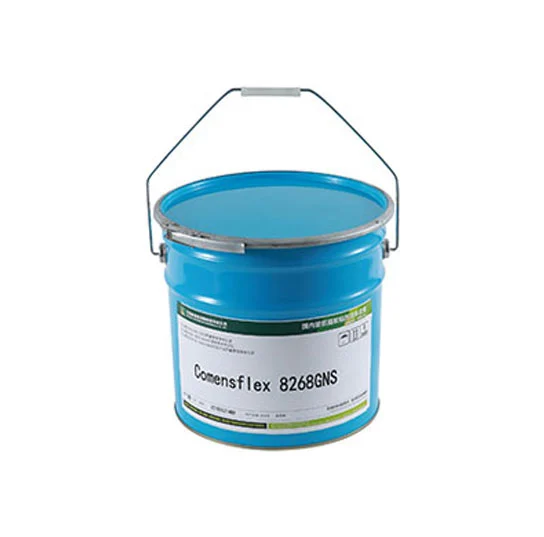
While polyurethane coatings offer exceptional performance, they require:
Proper surface preparation
Controlled application thickness
Skilled installation for optimal results
However, when applied correctly, the long-term performance far outweighs initial application considerations.
Yes. Urethane (polyurethane) sealants and coatings are inherently waterproof once cured. They form a moisture-resistant barrier that prevents water infiltration while remaining flexible.
The terms are often used interchangeably. “Urethane” typically refers to the polymer linkages within the polyurethane compound. In practical construction and industrial applications, both describe similar high-performance elastic waterproof systems.
A standard polyurethane waterproof coating system typically follows these steps:
Surface Cleaning – Remove dust, oil, and loose particles
Primer Application – Enhances adhesion
Base Coat Application – Applied via roller, brush, or spray
Reinforcement Layer (Optional) – For high-stress areas
Top Coat Application – Final protective membrane
Once cured, the system forms a continuous waterproof shield.
Not all polyurethane coatings are created equal. Performance depends on:
Polymer formulation
Solid content
Elastic recovery rate
UV stabilizers
Chemical resistance
High-quality polyurethane waterproof coating ensures consistent thickness, strong adhesion, and extended service life under harsh environmental conditions. For projects requiring reliable bonding solutions, partnering with China adhesive manufacturers can provide access to advanced polyurethane coatings and related products.
When selecting a supplier, prioritize manufacturers with advanced production technology, strict quality control, and proven project experience in construction and industrial waterproofing, including those reputable China adhesive manufacturers who specialize in durable, high-performance adhesives.
Although polyurethane waterproof coating may have a higher initial cost than traditional materials, it significantly reduces:
Leak repairs
Structural damage
Labor-intensive maintenance
Premature system replacement
Over a 10–20 year lifecycle, polyurethane systems often deliver superior ROI compared to cheaper alternatives.
With growing demand for sustainable, long-lasting building materials, polyurethane waterproof coating continues to evolve. Modern formulations now feature:
Low VOC options
Enhanced UV resistance
Faster curing times
Greater elasticity under extreme climates
As construction standards rise globally, liquid-applied polyurethane membranes are becoming the preferred solution for architects, contractors, and industrial engineers.
Waterproofing is not just about preventing leaks—it’s about protecting assets, ensuring structural safety, and extending the life of buildings. A high-performance polyurethane waterproof coating delivers flexibility, durability, and reliability that traditional systems simply cannot match.
If you're looking for a dependable waterproofing solution for roofs, foundations, or industrial surfaces, polyurethane technology offers a future-ready answer backed by proven performance.
Invest smart. Seal strong. Build for decades—not just years.
This is the first one.
 English